Source Self-Priming Diaphragm Lpg Transfer Pump for Chemical, Oil, and Food Processing
Find and compare 30 self-priming diaphragm lpg transfer pump options featuring pneumatic power and explosion-proof designs. Evaluate models with PP or aluminum alloy bodies, varying flow rates up to 1060L/Min, and CE/ISO9001 certifications for industrial liquid and powder applications.
Key considerations
Products List


$710.00 - $770.00
MOQ: 1 Pieces


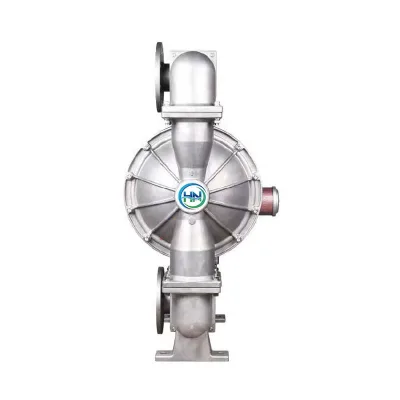
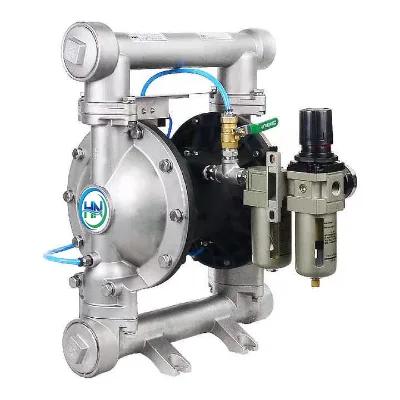


for Liquid/Def/Fuel Urea Solution Transfer Self Priming Diaphragm Pump
$260.00 - $290.00
MOQ: 1 Pieces


Comprehensive Sourcing Guide
Self-Priming Diaphragm LPG Transfer Pump Sourcing Guide
Procuring self-priming diaphragm pumps for LPG transfer requires a rigorous alignment of material compatibility, pressure ratings, and safety certifications. While the core keyword suggests a specific fluid application, the available market data indicates a broader range of diaphragm pump configurations, primarily constructed from plastic (PP) or aluminum alloy, designed for chemical, oil, food, and acid applications. Buyers must carefully distinguish between pumps explicitly rated for explosive environments and those intended for general industrial fluid transfer. The distinction is critical because LPG handling demands strict adherence to explosion-proof standards, whereas many observed listings focus on corrosion resistance and zero-leak performance for aggressive chemicals.
This guide synthesizes observed product attributes, such as pneumatic power sources, diaphragm valve types, and specific model series like HY80-PP and HY15-AL, to provide a structured approach for B2B procurement. The focus is on verifying technical specifications against the unique demands of LPG transfer, including suction lift capabilities, flow rates, and material integrity. By understanding the variance in observed listings—from 1/2'' caliber to 3'' caliber pumps—buyers can better evaluate supplier claims and ensure that the selected equipment meets both operational efficiency and safety regulatory requirements.
Product Scope and Observed Listing Signals
The observed product landscape reveals a diverse array of diaphragm pumps, predominantly pneumatic in nature, with a strong emphasis on corrosion-resistant materials. Key models identified include the HY80-PP, HY15-PP, and HY50B-PP, which utilize Polypropylene (PP) for the pump body and Santoprene for the valve ball. These configurations are typically marketed for applications involving chemicals, oils, foods, and acids, highlighting their strength in handling corrosive or sensitive fluids. The presence of "Explosion-Proof" and "Zero Leak" performance attributes in several listings suggests that these pumps are engineered for hazardous environments, a feature that is directly relevant to LPG transfer operations where vapor ignition risks are a primary concern.
In addition to plastic variants, aluminum alloy and stainless steel options are available, such as the HY15-AL and HY50-SS models. These metal-bodied pumps offer different mechanical properties, potentially providing higher durability or thermal conductivity compared to their plastic counterparts. The observed listings also indicate a wide range of standard calibers, from 1/2'' to 3'', and even up to 5 inches in some general industrial contexts. Buyers must scrutinize these material choices carefully; while PP and Santoprene provide excellent chemical resistance, the suitability of these materials for specific LPG grades and operating temperatures must be validated against manufacturer data sheets, as general "chemical" ratings do not automatically equate to LPG compatibility.
Technical Specifications to Verify
Flow rate and suction lift are critical performance metrics that determine the pump's efficiency in transfer operations. Observed data shows a significant variance in capabilities, with some models achieving a maximum flow rate of 1060 L/Min and a dry suction lift of 5 meters, while smaller units may offer only 57 L/Min with a 4-meter dry lift. For LPG transfer, the pump must maintain consistent flow under varying pressure conditions without losing prime. Buyers should verify the actual operating pressure range, as some listings specify "Low Pressure" applications, which may not be sufficient for high-pressure LPG distribution systems. It is essential to confirm that the pump's maximum head and flow characteristics align with the pipeline resistance and elevation changes in the intended installation.
Material compatibility and valve construction are equally vital for ensuring long-term reliability. The use of Santoprene valve balls and Neoprene diaphragms, as noted in specific listings, offers good resilience against abrasion and chemical attack. However, for LPG applications, the elastomer's resistance to hydrocarbon swelling and permeation must be explicitly confirmed. Additionally, the pump body material—whether PP, Aluminum Alloy, or Stainless Steel—must be evaluated for its ability to withstand the mechanical stresses of pneumatic operation and the thermal properties of the fluid. Buyers should request detailed material test reports to ensure that the diaphragm and valve components will not degrade or fail prematurely when exposed to LPG vapors or liquid phases.
Compliance and Safety Documentation
Safety certification is non-negotiable for LPG transfer equipment due to the flammable nature of the fluid. Listings frequently mention CE and ISO9001 certifications, which indicate adherence to European safety directives and quality management systems, respectively. However, these general certifications do not automatically guarantee compliance with explosive atmosphere regulations. Buyers must verify if the pump holds specific ATEX or IECEx certifications for use in Zone 1 or Zone 2 hazardous areas. The "Explosion-Proof" attribute observed in some products is a strong indicator, but it must be backed by official documentation detailing the protection type (e.g., flameproof enclosure or intrinsic safety) and the equipment group and category.
Documentation should also include detailed pressure vessel and component ratings if the pump is subjected to high pressures. For pneumatic diaphragm pumps, the air supply pressure and the resulting fluid discharge pressure must be clearly defined. Buyers should ensure that the supplier provides a comprehensive technical file that includes material safety data sheets (MSDS) for all wetted parts, confirming their compatibility with LPG. Additionally, verification of the pump's static grounding capabilities is essential to prevent static discharge, a common ignition source in fluid transfer operations. The absence of specific hazardous area certifications in a listing should be treated as a red flag, requiring immediate clarification from the supplier before any procurement decision is made.
Cost Drivers and Commercial Terms
The price range for these pumps is broad, observed between $50 and $4,000 USD, reflecting significant differences in material quality, size, and certification levels. Smaller, plastic-bodied units with basic calibers (e.g., 1/2'' or 1'') tend to be at the lower end of the spectrum, while larger, metal-bodied pumps with higher flow rates and specialized certifications command premium prices. Buyers should analyze the cost structure to understand what is included in the quoted price, such as the inclusion of air valves, manifolds, or mounting brackets. It is also important to consider the total cost of ownership, which includes maintenance costs for diaphragm replacement and the energy efficiency of the pneumatic drive system.
Minimum Order Quantities (MOQ) and packaging methods also influence commercial terms. Observed MOQs range from 1 set to 50 units, offering flexibility for both pilot projects and large-scale deployments. Packaging varies from simple carton boxes to plywood crates, which is crucial for protecting the pump during international shipping, especially for heavier aluminum or stainless steel models. Buyers should negotiate clear terms regarding warranty coverage, spare parts availability, and lead times. Given that many suppliers are located in Shanghai, China, logistics costs and import duties should be factored into the final landed cost. Clear communication regarding Incoterms and responsibility for customs clearance will help avoid unexpected expenses and delays.
Supplier Qualification and Quality Control
Supplier qualification begins with verifying the authenticity of certifications and the manufacturer's production capabilities. While ISO9001 is commonly cited, buyers should request valid certificate copies and verify them against the issuing body's database. For pumps intended for hazardous environments, the supplier must demonstrate a robust quality control process that includes pressure testing, leak testing, and material verification. The "Standard or Nonstandard" attribute in some listings suggests that custom configurations may be available, but this requires a rigorous engineering review to ensure that modifications do not compromise safety or performance. Buyers should assess the supplier's ability to provide traceability for all critical components, including diaphragms and valve balls.
Quality control should also extend to the inspection of finished goods before shipment. Buyers should establish clear acceptance criteria based on the agreed-upon specifications, including flow rate tests, pressure hold tests, and visual inspections for defects. The use of OEM services, as noted in some listings, indicates that suppliers may offer customization, but this requires close collaboration to ensure that the final product meets all operational requirements. It is advisable to conduct pre-shipment inspections or hire third-party inspection agencies to verify that the delivered pumps match the ordered specifications. This step is particularly important for high-value orders or when dealing with new suppliers, as it mitigates the risk of receiving non-conforming products.
Long-Term Procurement Checks
Long-term procurement success depends on establishing a reliable supply chain for spare parts and ongoing technical support. Diaphragm pumps are wear-item dependent, with the diaphragm and valve balls requiring periodic replacement. Buyers should ensure that the supplier offers a consistent supply of compatible spare parts, preferably with a standardized inventory to reduce downtime. The "Long Life" feature mentioned in some listings is a positive indicator, but it must be supported by real-world performance data or warranty terms that reflect the expected service life. Buyers should also evaluate the supplier's responsiveness to technical inquiries and their ability to provide troubleshooting assistance.
Regular review of supplier performance is essential to maintain quality and service levels. This includes monitoring delivery times, product consistency, and after-sales support. For LPG transfer applications, any changes in material composition or manufacturing processes must be communicated and approved by the buyer to ensure continued compliance with safety standards. Buyers should also stay informed about updates to relevant regulations and standards, such as changes in ATEX or ISO requirements, to ensure that their equipment remains compliant over time. By maintaining a proactive approach to supplier management and technical verification, buyers can ensure the safe and efficient operation of their LPG transfer systems.
FAQs
What certifications do these pumps have?
These pumps hold CE and ISO9001 certifications. They are manufactured in Shanghai, China, and feature explosion-proof and zero-leak performance for safe chemical and oil transfer applications.
Can I customize the pump specifications?
Yes, customization is available for these diaphragm pumps. Buyers can select from various models like HY80-PP or HY15-AL with different calibers ranging from 1/2 inch to 3 inches.
What is the maximum flow rate available?
The maximum flow rate reaches 1060 liters per minute for specific models. Other variants offer lower rates like 57 liters per minute depending on the selected pump body and valve type.
Which materials are used for the pump body?
Pump bodies are constructed from Plastic or Aluminum Alloy. The diaphragm material is typically Neoprene or Santoprene, ensuring durability for handling acids, food, and oil products.
What is the minimum order quantity required?
The minimum order quantity is 1 set for most models. This low MOQ allows buyers to test performance before committing to larger orders for industrial powder or liquid usage.
How is the product packaged for shipping?
Products are packed in Plywood or Carton boxes depending on the model. Package sizes vary, such as 80 by 48 by 120 cm for larger units or 29 by 21 by 34 cm for smaller ones.